
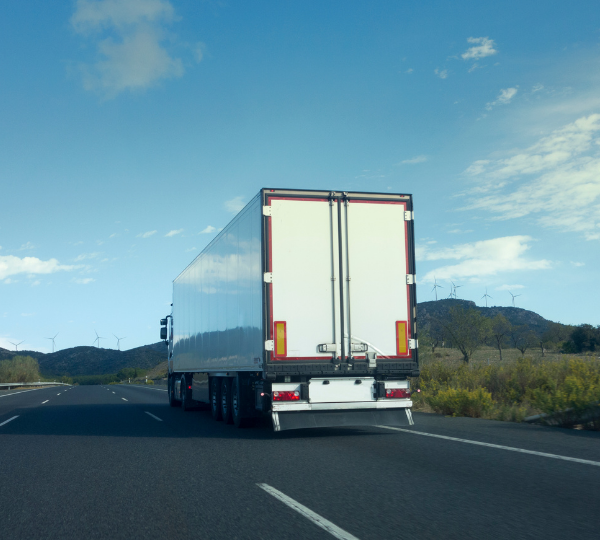
You probably notice it every day: the pressure on logistics is mounting rapidly. Customers are demanding greater speed, reliability, and sustainability, while regulations are changing and margins are under pressure. At the same time, you’re dealing with a chronic labor shortage, from drivers to planners. For both logistics service providers and trucking companies, it feels as though everything is changing all at once, without a clear direction.
Take, for example, a transportation company that provides both domestic road transport and collaborates with other modes of transport for urban distribution. Customers are demanding cleaner deliveries and greater flexibility, but what choices do you make in this regard? Do you invest in electrification, optimize your routes, or explore other modes of transportation? Meanwhile, it’s becoming increasingly difficult to find and retain enough drivers, which directly impacts your scheduling and delivery reliability.
That is precisely why now is the time to take a strategic look at your operations—not just to meet requirements, but to gain control over costs, capacity, and sustainable choices. By bringing clarity and structure to your operations now, you’ll make your organization more agile and better prepared for the future.
More and more clients are setting sustainability requirements. They are calling for CO₂ reductions, emission-free transportation, the use of HVO, or transparency regarding emissions data. At the same time, price often remains the primary focus in bids and contract negotiations.
A transportation company invests in more sustainable fuels or electric vehicles, but finds that customers are not willing to fully cover the higher costs. Due to the low profit margins in the transportation sector, this is often not financially attractive enough.
A transportation company invests in more sustainable fuels or electric vehicles, but finds that customers are not willing to fully cover the higher costs. Due to the low profit margins in the transportation sector, this is often not financially attractive enough.
More and more clients are setting sustainability requirements. They are calling for CO₂ reductions, emission-free transportation, the use of HVO, or transparency regarding emissions data. At the same time, price often remains the primary focus in bids and contract negotiations.
The transportation sector has traditionally had low profit margins. At the same time, costs for personnel, fuel, equipment, and sustainability are rising. This makes it difficult to invest in zero-emission vehicles or energy-saving measures that anticipate future expectations. Necessary investments are being postponed, even as legislation and customer expectations are changing at an ever-faster pace.
Many transportation companies want to make their fleets more sustainable and are investing in charging infrastructure. In practice, however, the power grid often lacks sufficient capacity.
By gaining insight into energy consumption, fuel costs, CO₂ emissions, and operational processes, it becomes clear where the greatest opportunities for improvement lie. This helps you make more targeted investments and avoid unnecessary costs.
Organizations that invest in good employment practices, sustainable employability, and a future-proof work environment have less trouble attracting and retaining staff.
Companies that provide transparency into their sustainability performance and demonstrate tangible improvements are in a stronger position when engaging with existing and new customers. Sustainability is increasingly becoming a factor in the selection of a logistics partner.
Sustainability is increasingly providing an opportunity to engage with customers in discussions about shared goals, innovations, and improvements within the logistics chain. This can lead to new partnerships, joint projects, or longer-term contracts.
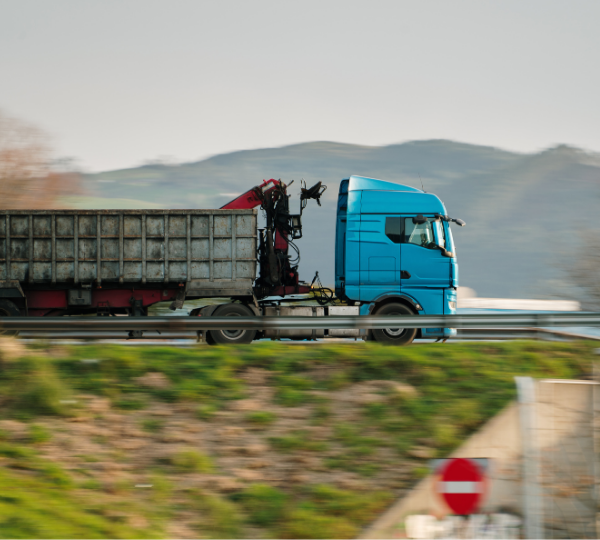
Starting in mid-2026, a truck toll is expected to take effect in the Netherlands for trucks weighing 3.5 metric tons or more on highways and certain provincial and municipal roads. The amount of the toll depends on the vehicle’s weight and its CO₂ emission class.
The truck toll makes driving diesel trucks more expensive. At the same time, the revenue is being used to promote sustainability in the sector through subsidies for zero-emission vehicles and charging infrastructure. The rates are linked to European CO₂ classes, meaning that cleaner vehicles pay significantly less than conventional diesel trucks.
ETS2 is the new European emissions trading system for fuels used in road transport, buildings, and small-scale industry. Fuel suppliers must purchase emission allowances to cover the CO₂ emissions from their fuels.
The cost of emissions permits is expected to be passed on in the price of fuel. As a result, diesel will gradually become more expensive, creating an increasingly strong financial incentive to switch to electric or hydrogen-powered vehicles.
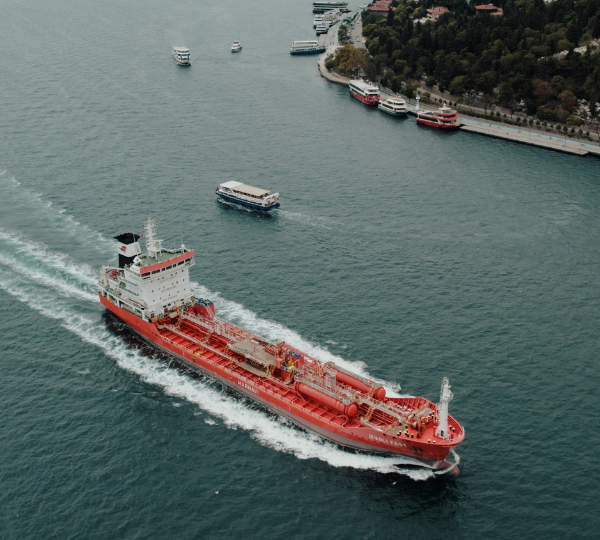
The driver shortage remains one of the biggest challenges facing the transportation sector. An aging workforce, high turnover, and a limited supply of new workers are causing a structural shortage in the labor market.
Cooperate Green provides support in the areas of sustainable employability, attractive employer branding, strategic workforce planning, and future-proof work organization.
Cooperate Green provides support for sustainability strategies, CO₂ reduction plans, grant opportunities, energy issues, and the development of business cases for zero-emission transportation.
Cooperate Green helps measure CO₂ emissions, develop reduction plans, prepare reports, and translate sustainability goals into concrete business objectives.
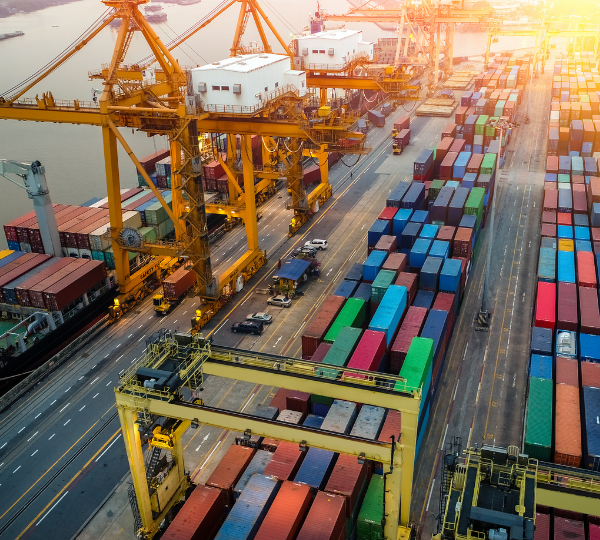
We tailor the way we work together to your needs and capacity.
Based on the baseline assessment and reports, we determine which steps will have the greatest impact. Together, we translate sustainability goals into a realistic roadmap with specific objectives, investments, and priorities.


